Eswatini · Umdoni Farm

A working farm, training Eswatini's next farmers.

Umdoni is a working integrated organic farm outside Manzini where young people from our CarePoints spend a season growing food that lasts. Take two minutes and walk the rows. Then plant one.

Already gave? Challenge a friend
7,000children at our CarePoints
2,450families who depend on them
500farmers trained by 2030
600homestead gardens by 2030
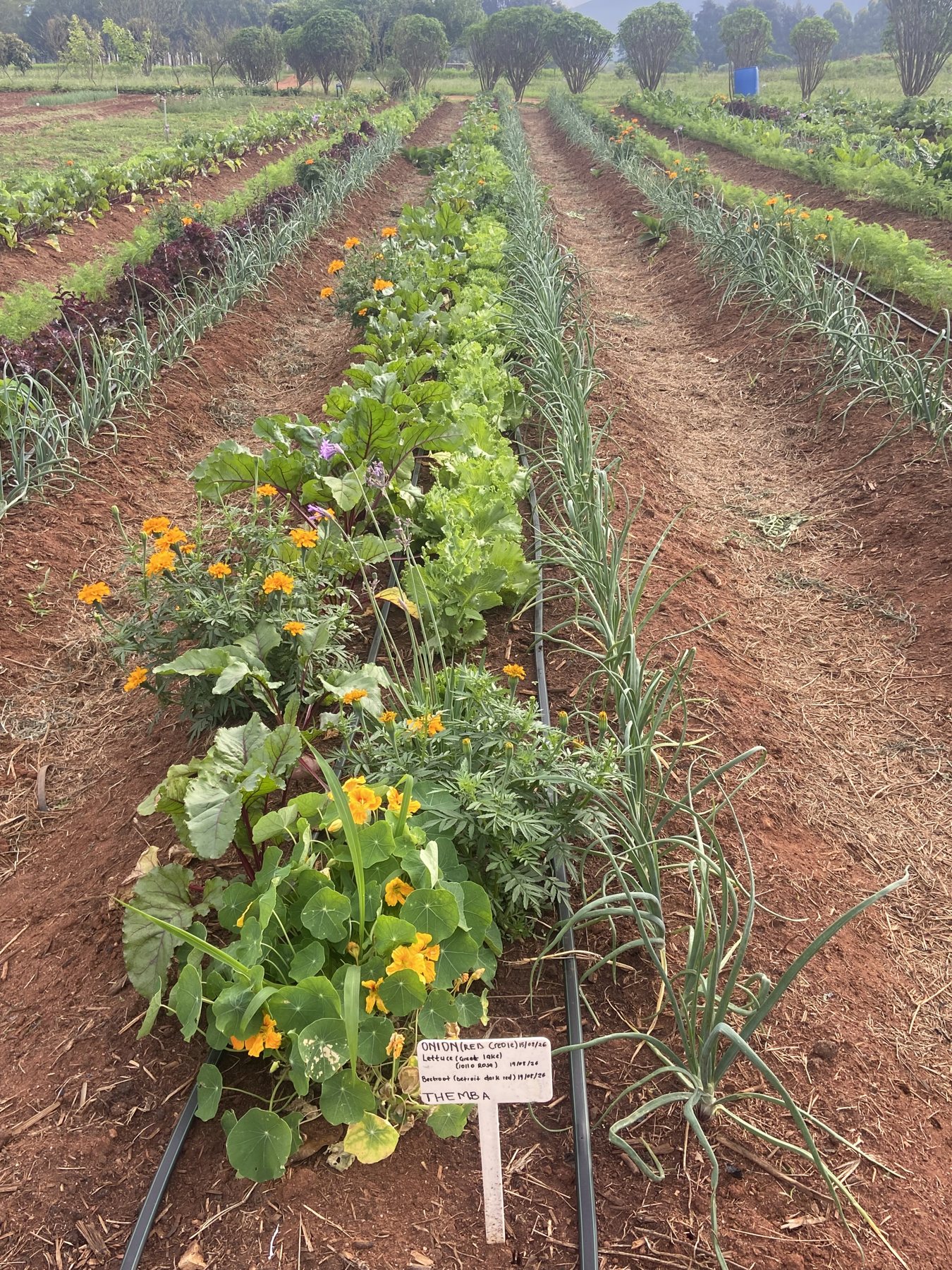
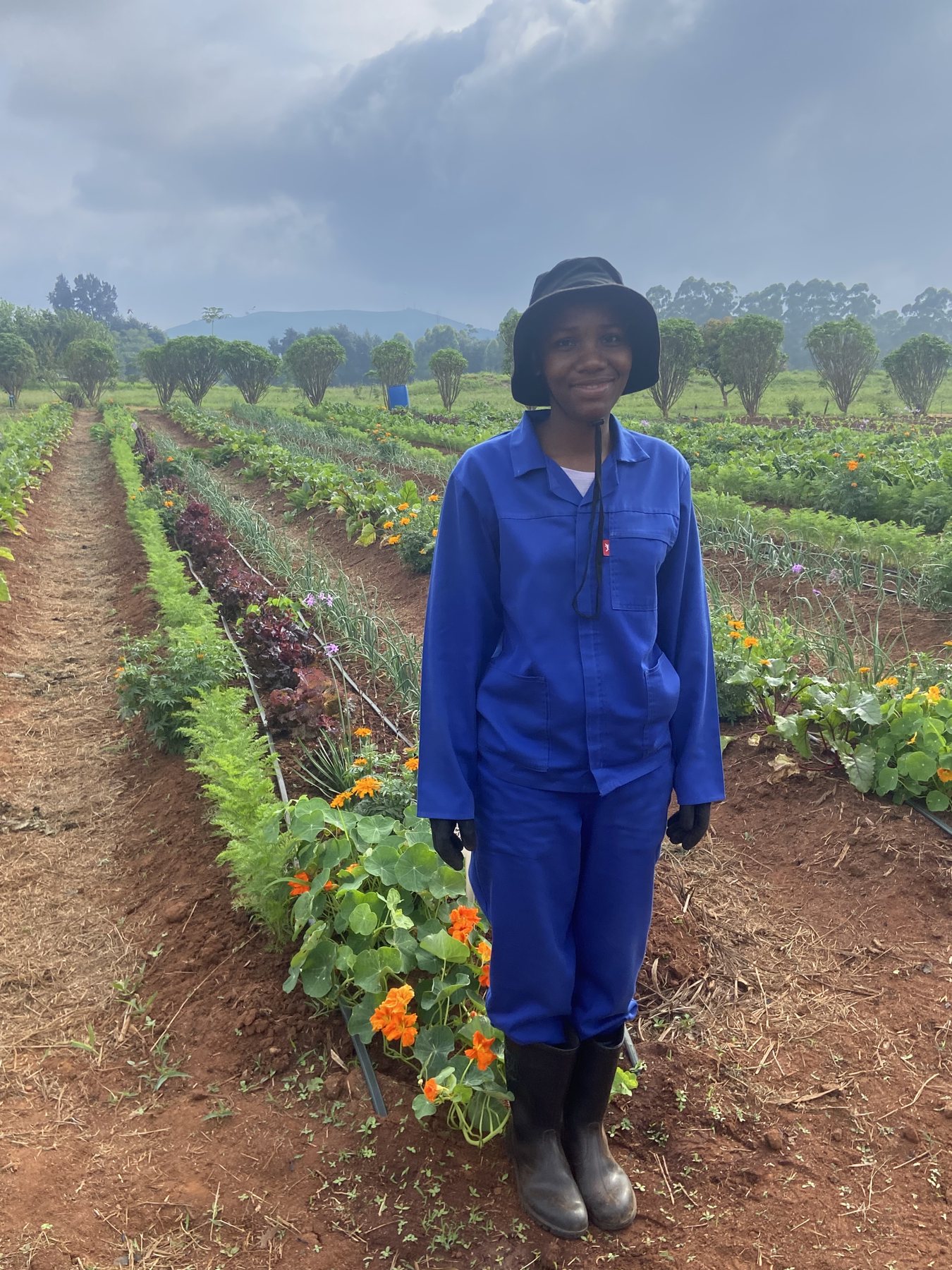
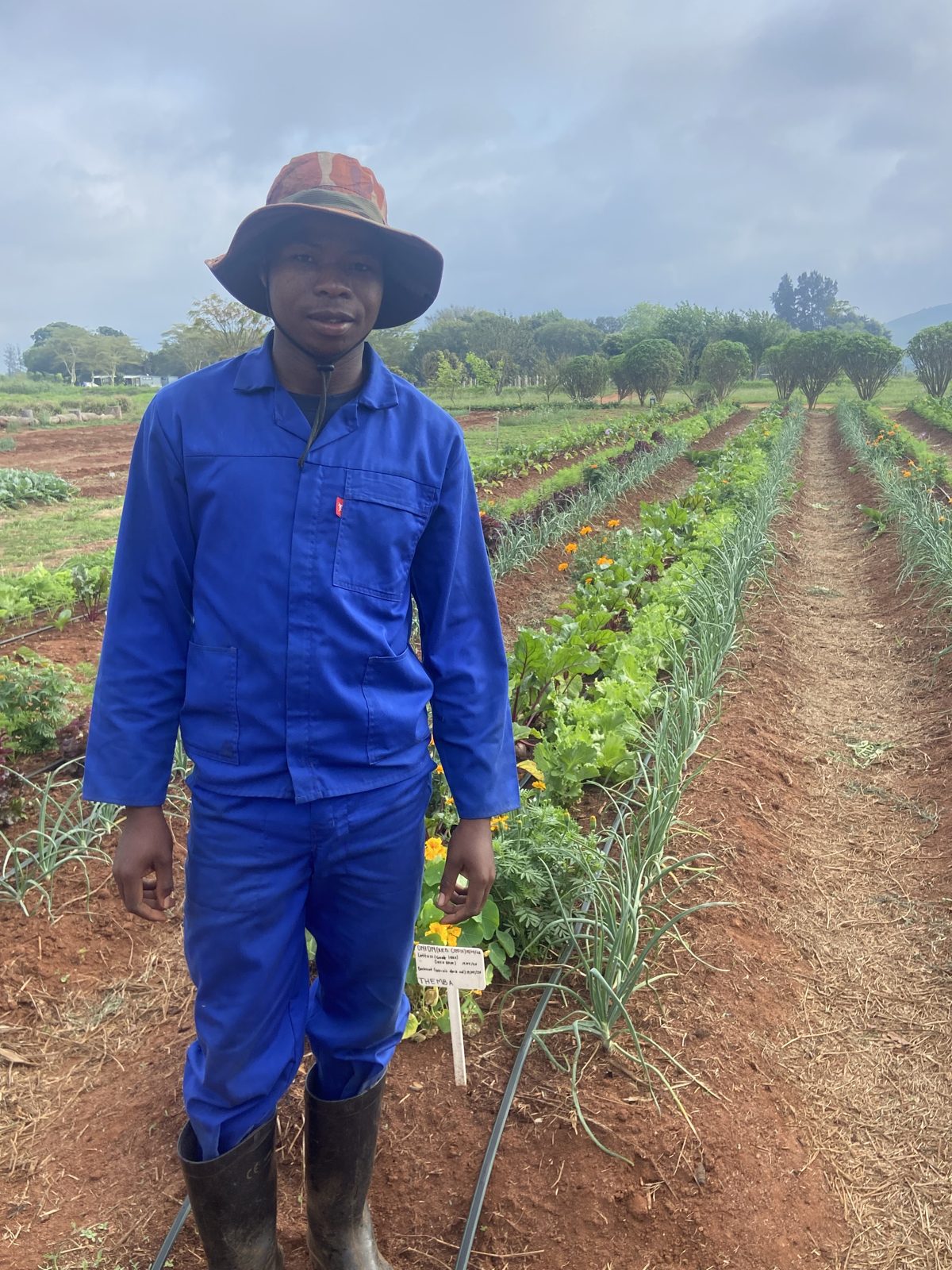
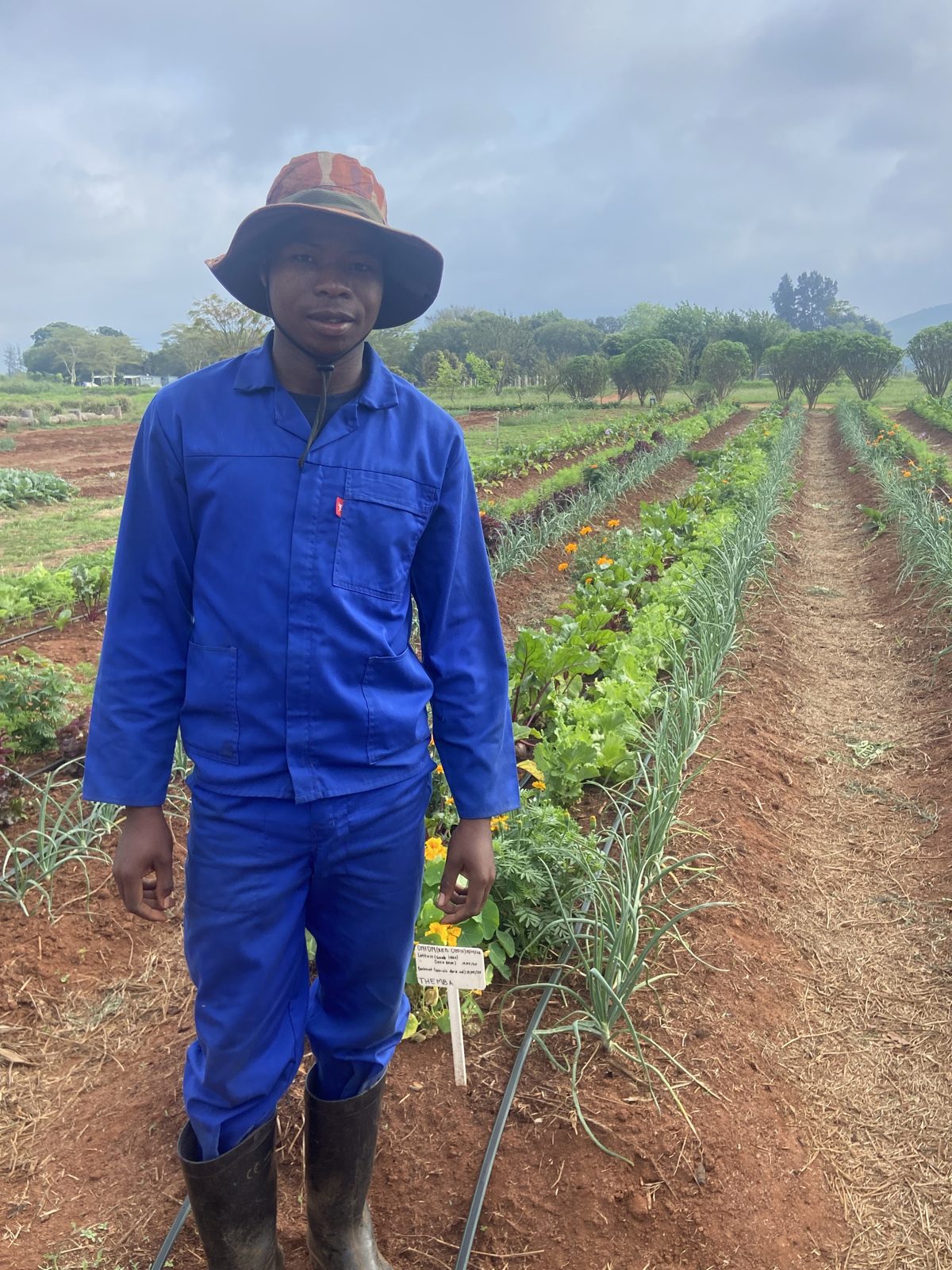
Themba standing beside his named row at Umdoni Farm
Themba's row

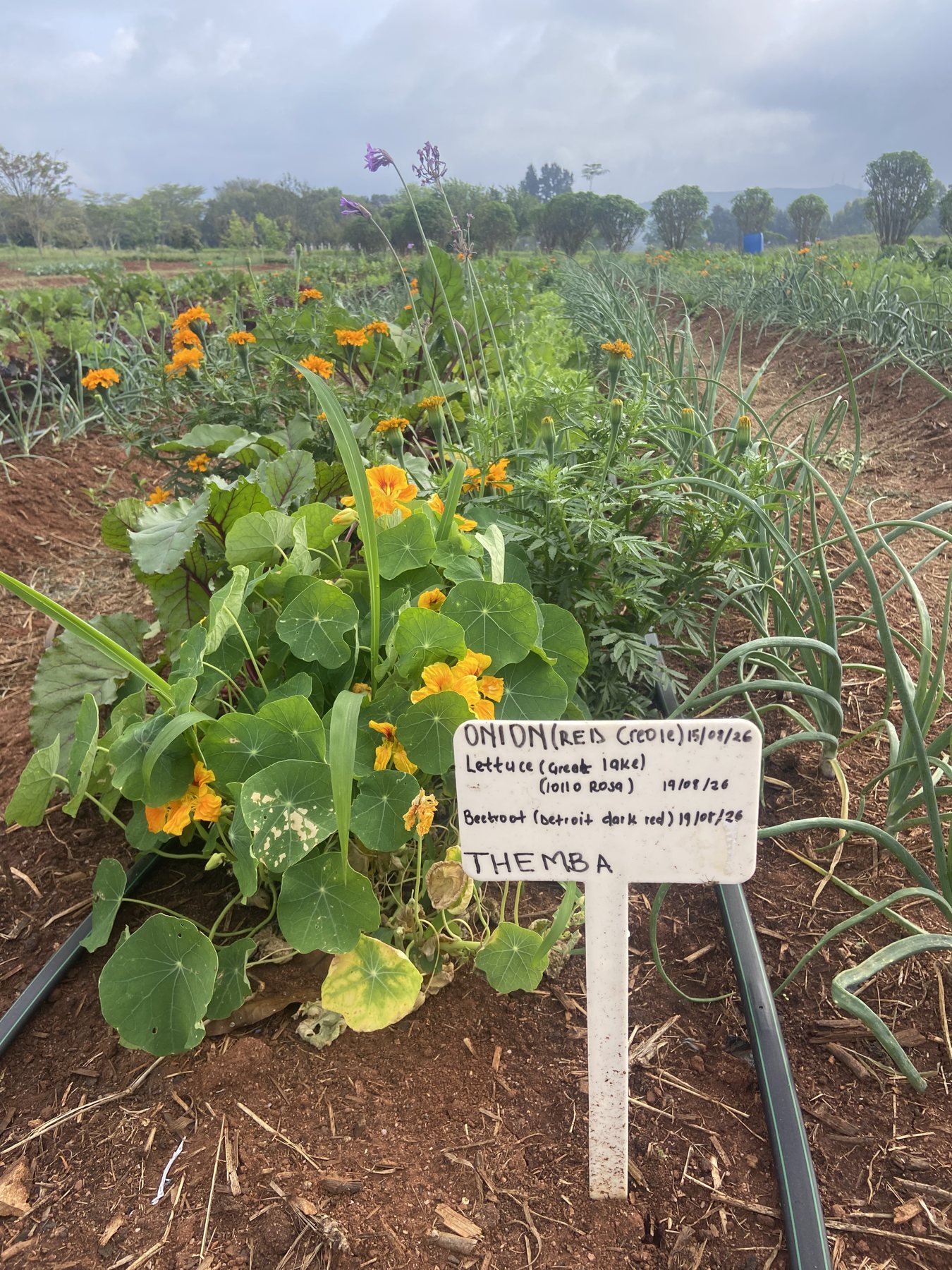
Themba has a row with his name on it.

Every intern at Umdoni plants a row and stakes it with their name. Themba came from Ngonini CarePoint to learn the farm. He turns the compost. He plants herbs beside the vegetables so the pests go somewhere else without a drop of spray. What he harvests feeds the CarePoint kitchen.

When his season ends, he takes it home: a garden at Ngonini, and neighbors who learn from him how to grow one. Your row pays for a season like his.

Say yes to a row
Why a farm

A field of dry maize is the picture we are trying to change.

Most families around our CarePoints plant one crop: maize. When the rain is late, it fails, and the family borrows for seed to try again. In Eswatini that is not a rare story. It is most years.

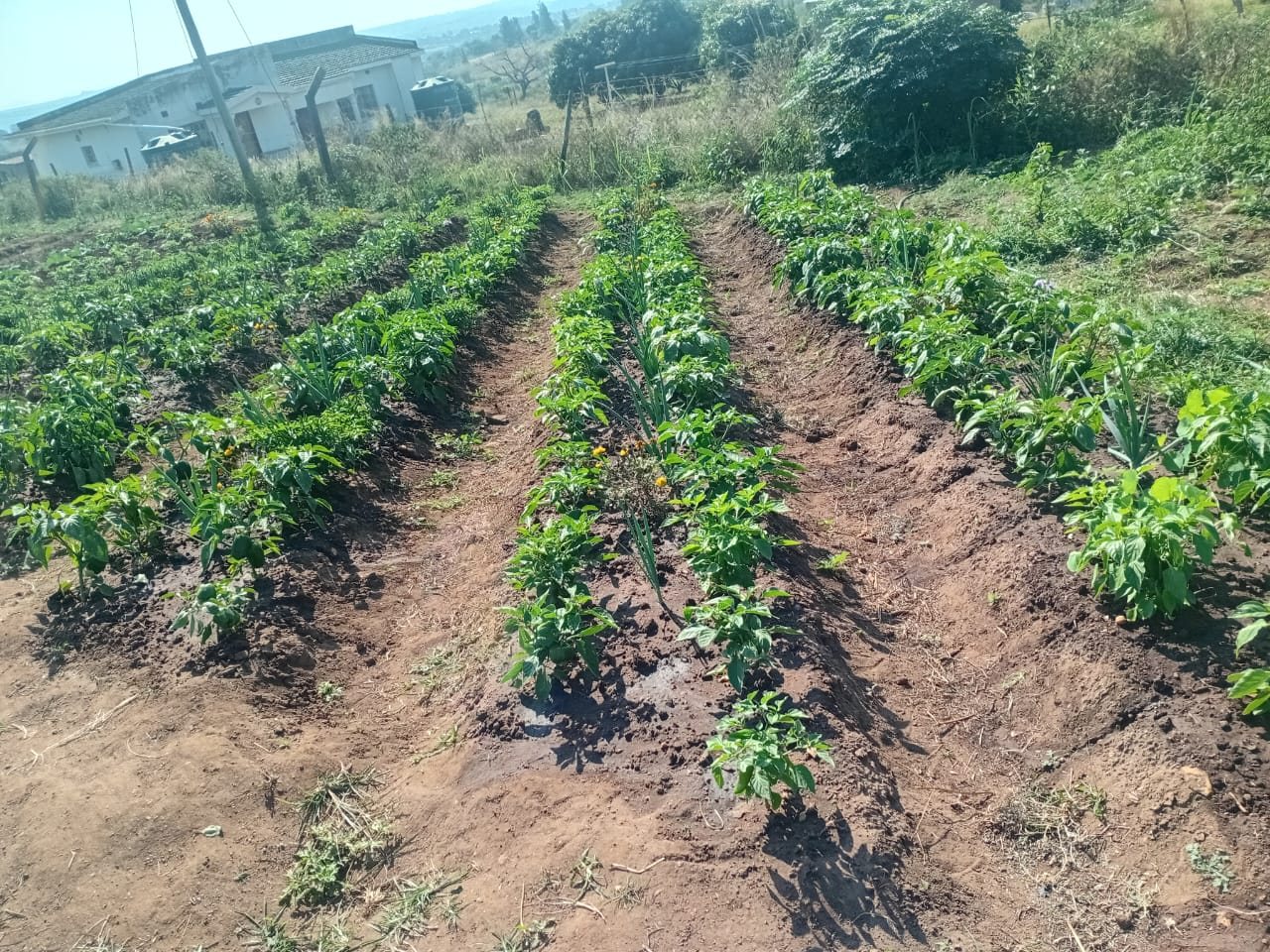
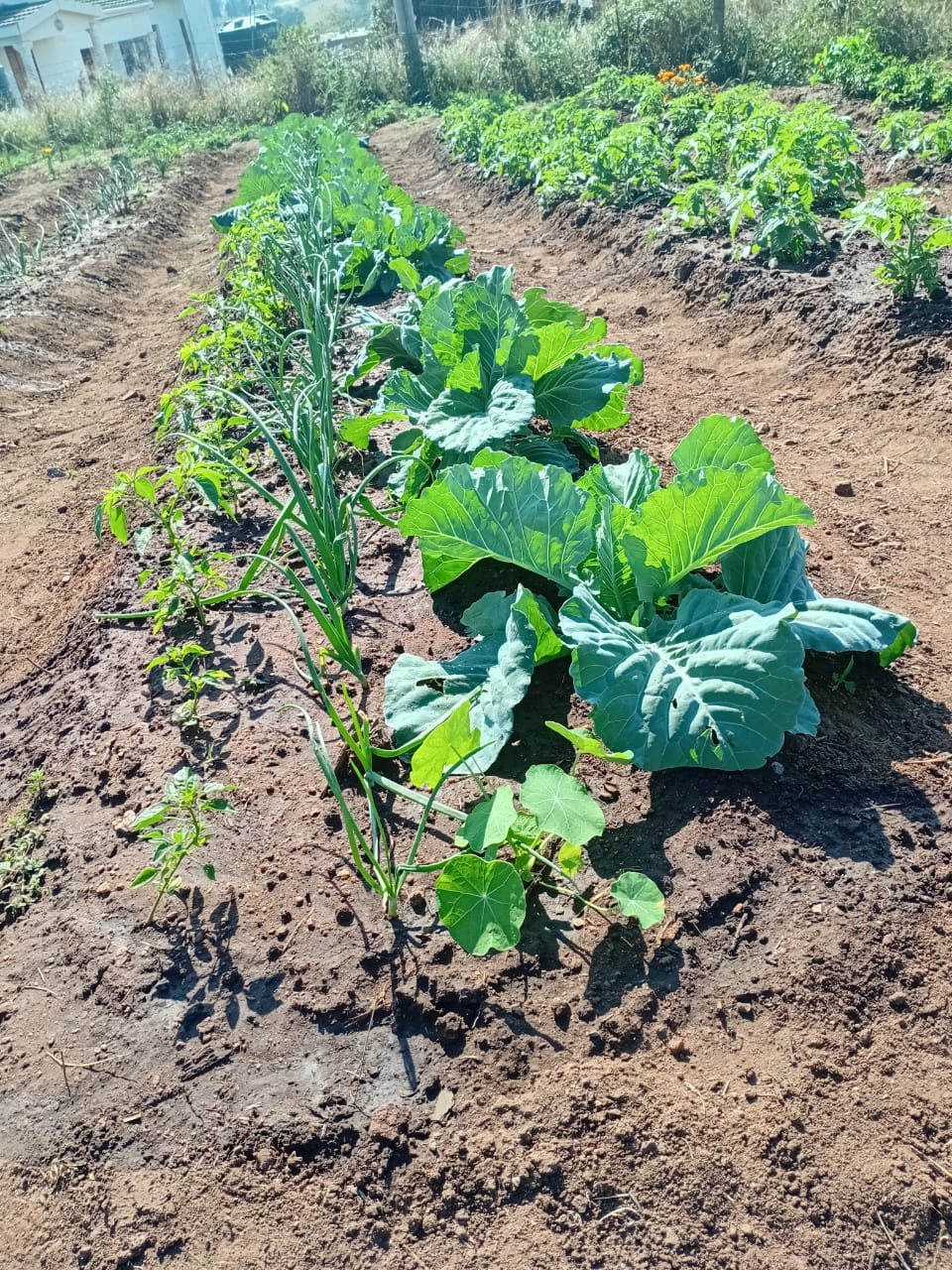
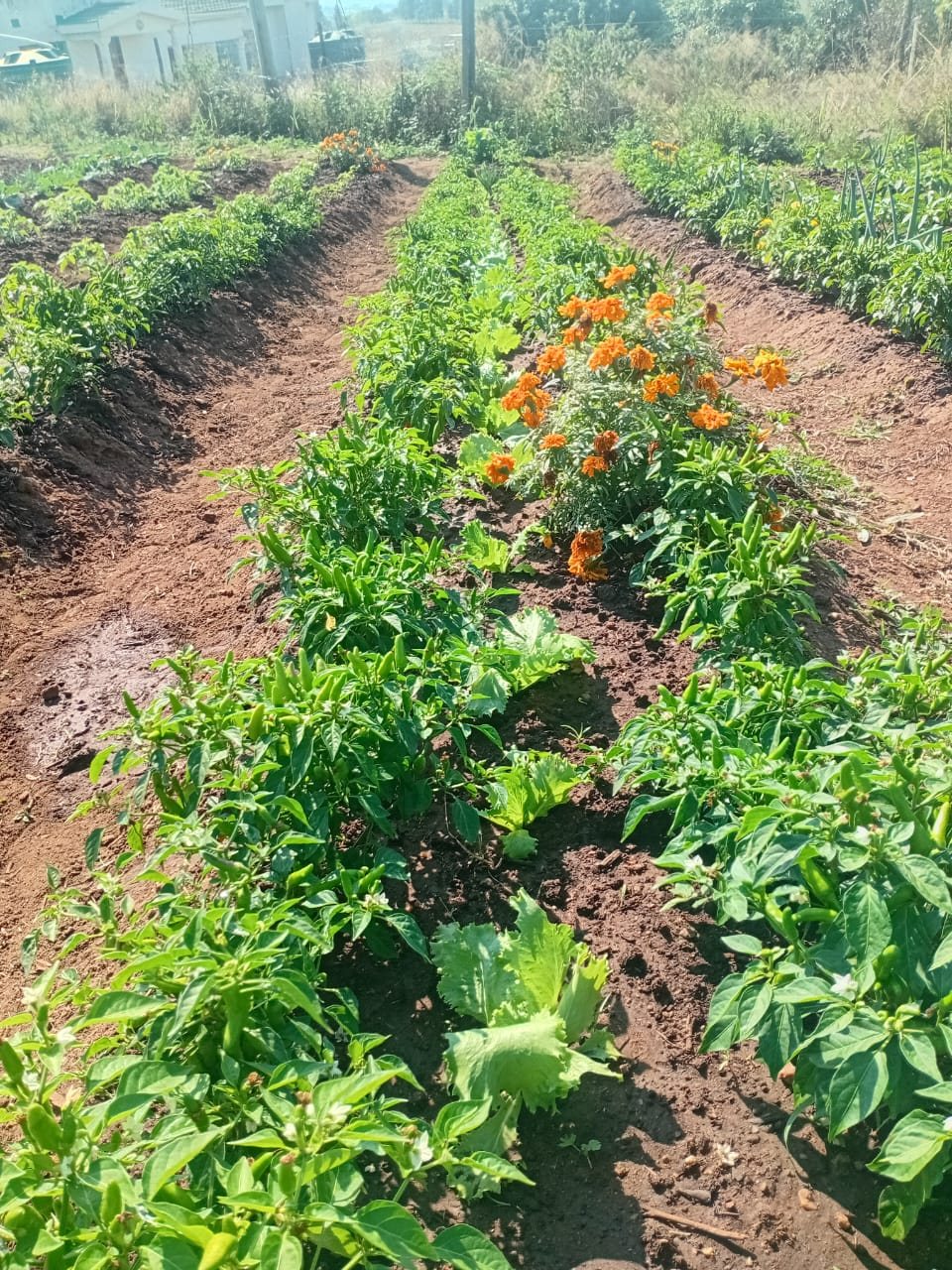
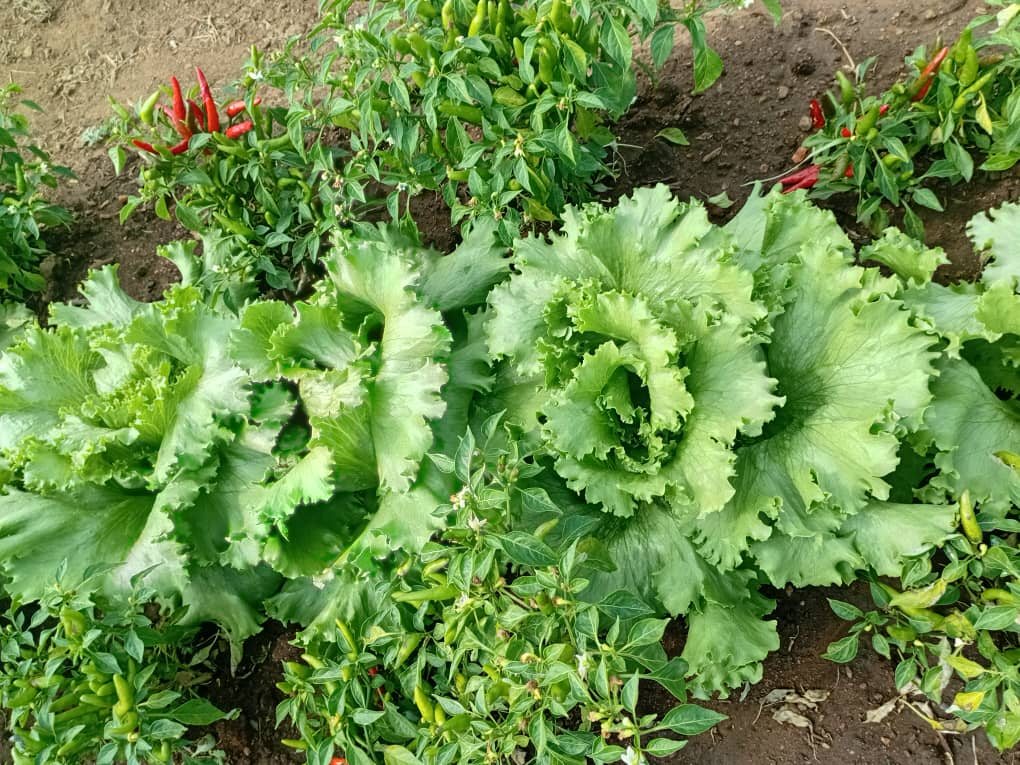
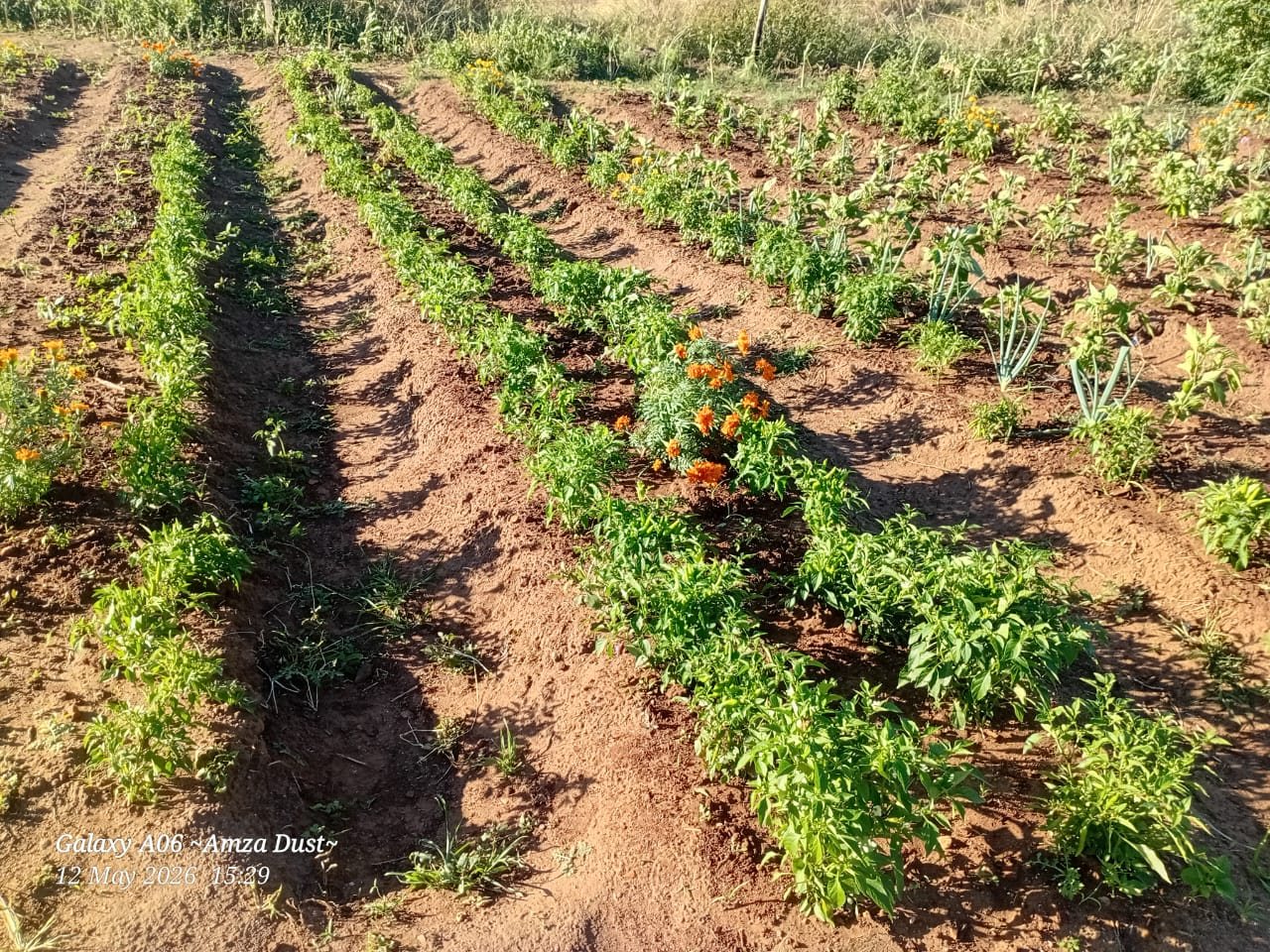
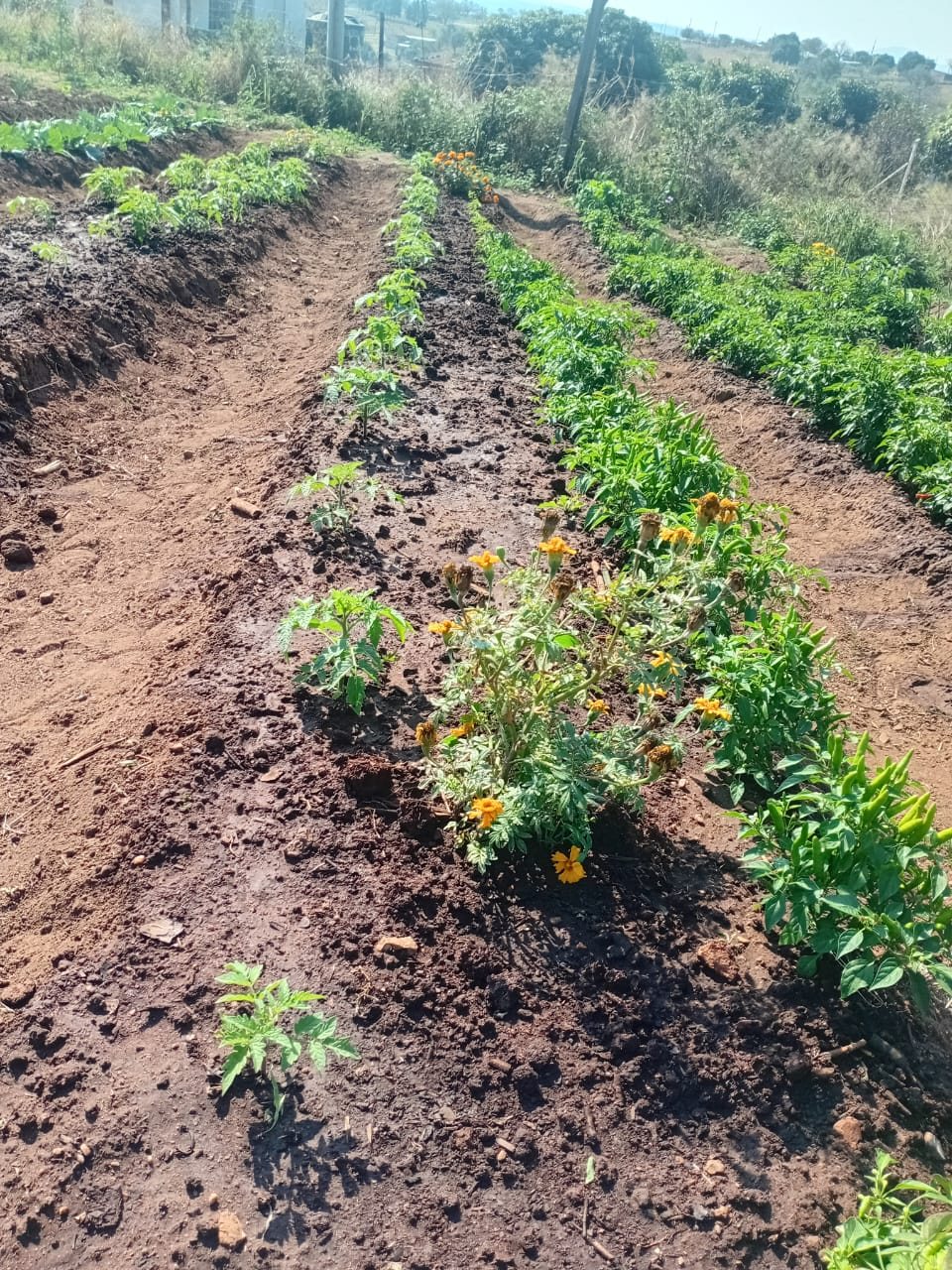
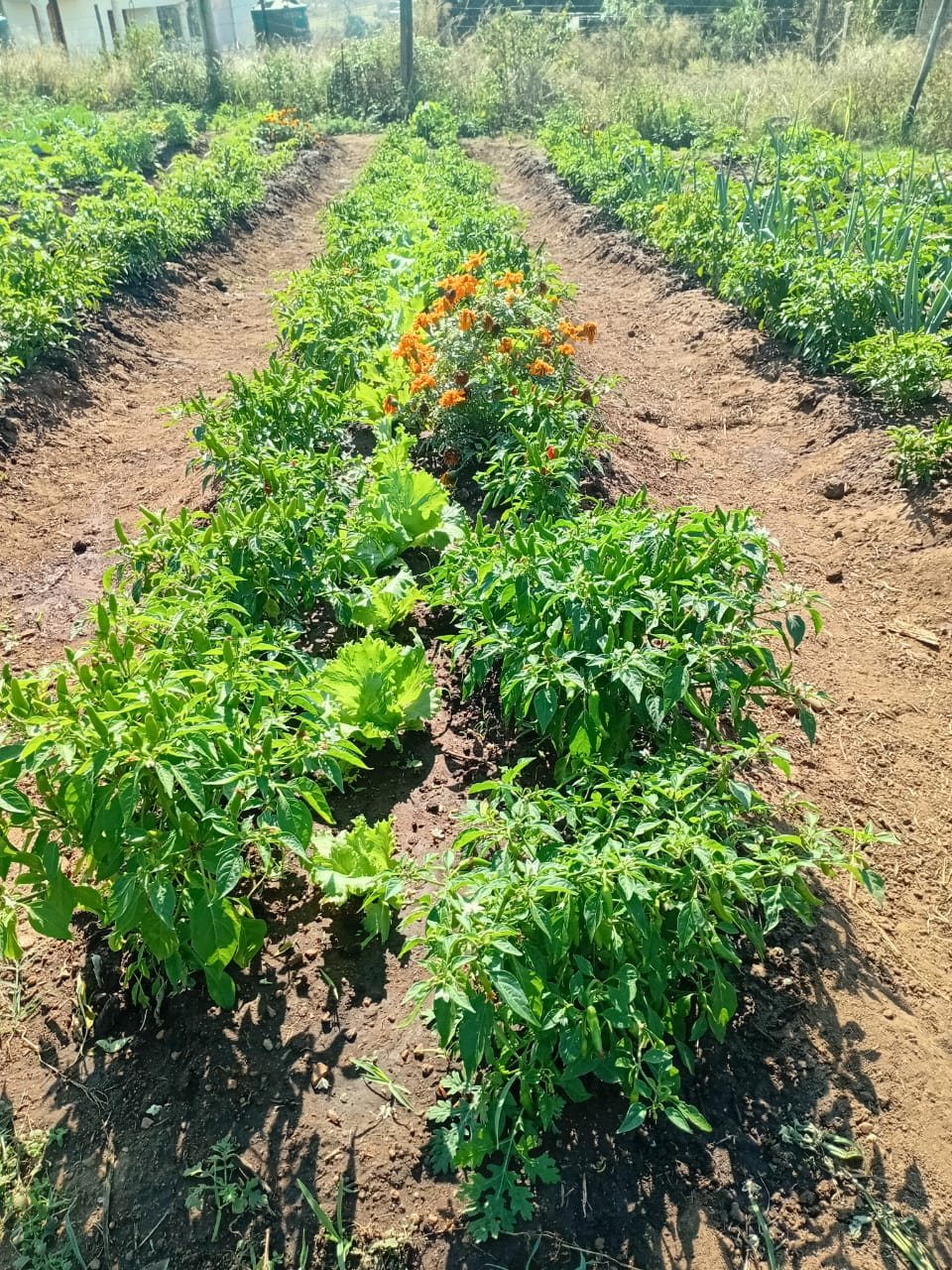
Umdoni Farm is a working integrated organic farm outside Manzini where we grow something different: compost instead of chemical fertilizer, worms in the beds, herbs and marigolds planted beside vegetables so pests go elsewhere, fruit trees and chickens and fish on one plot. It is a test farm, a training farm, and a supply farm. Its seedlings already go out to the CarePoint gardens.

The part that changes families is the internship. Young people from the CarePoints come to live on the farm for a season. They get a row, a stake with their name, and a mentor. When they go home they start a garden at their CarePoint and show their neighbors how. The first two, Amos from Timbutini 2 and Thubelihle from Thulwane, went home in January. Themba, Sandziso and Ivy are on the farm now.

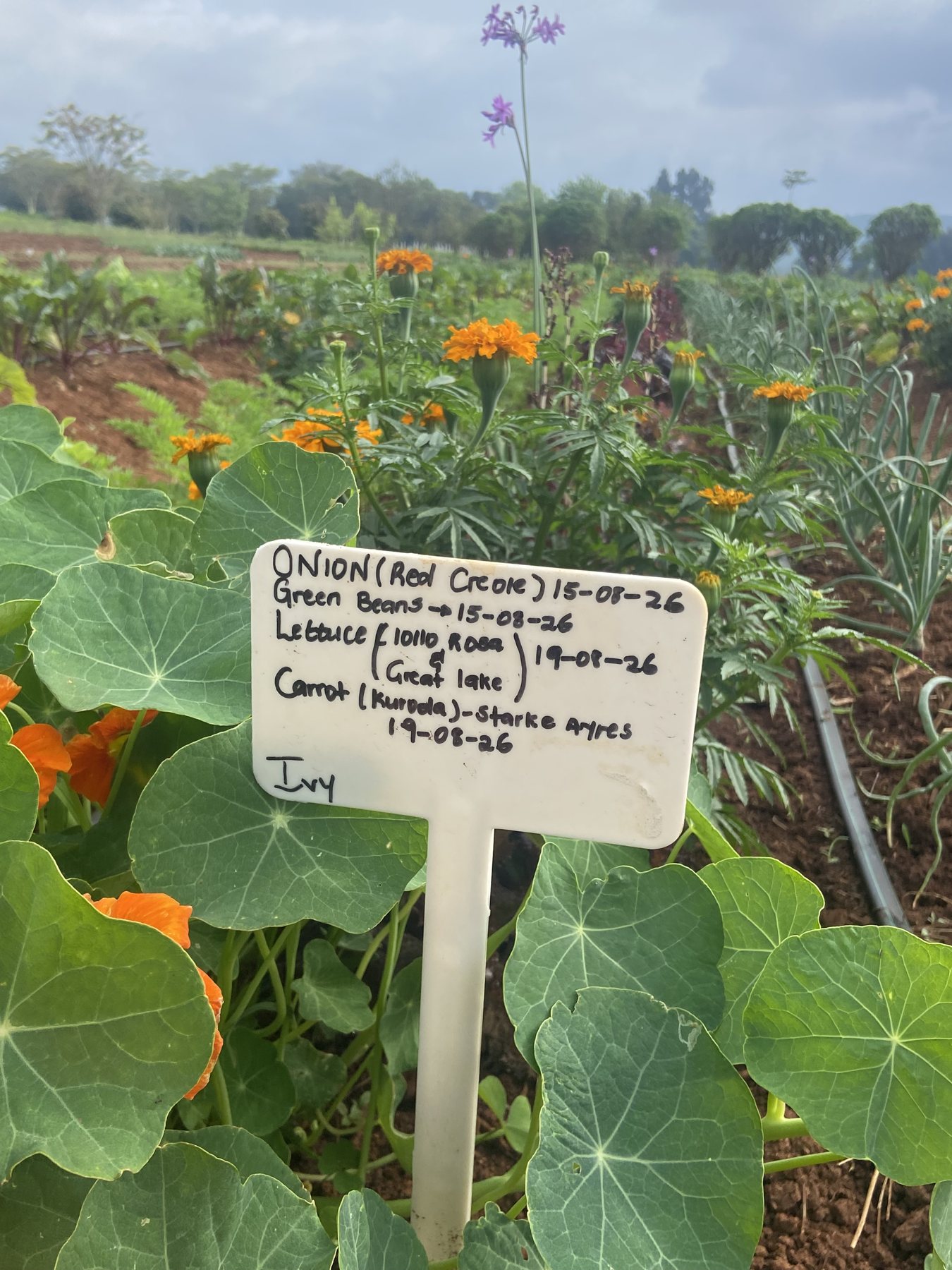
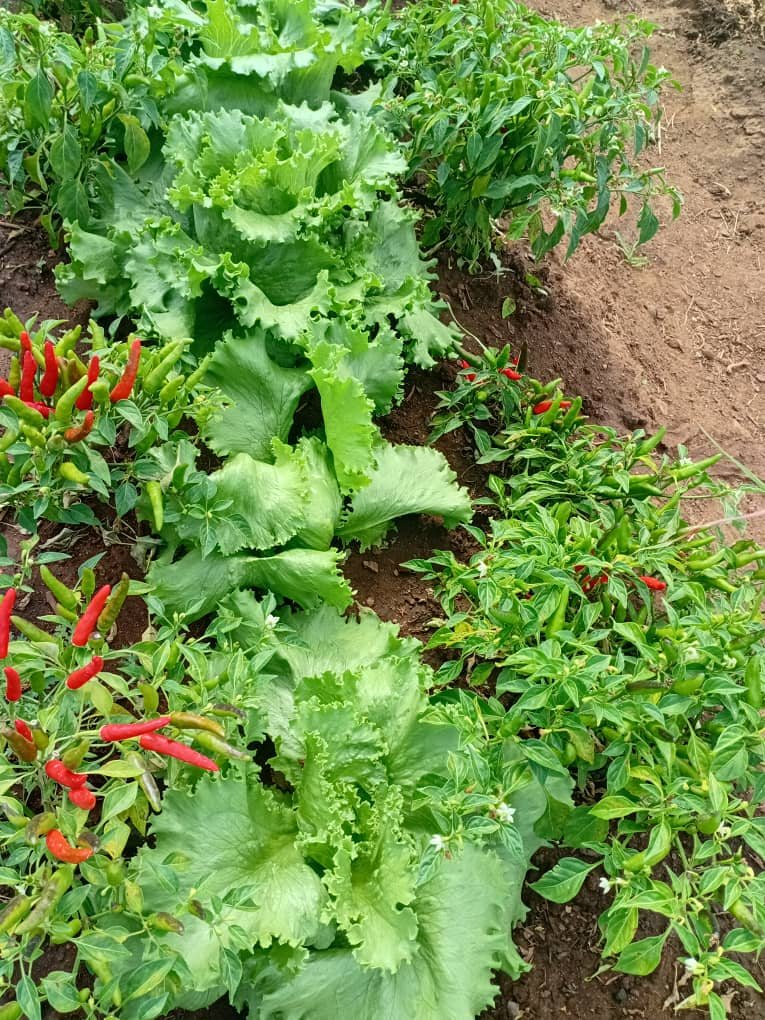
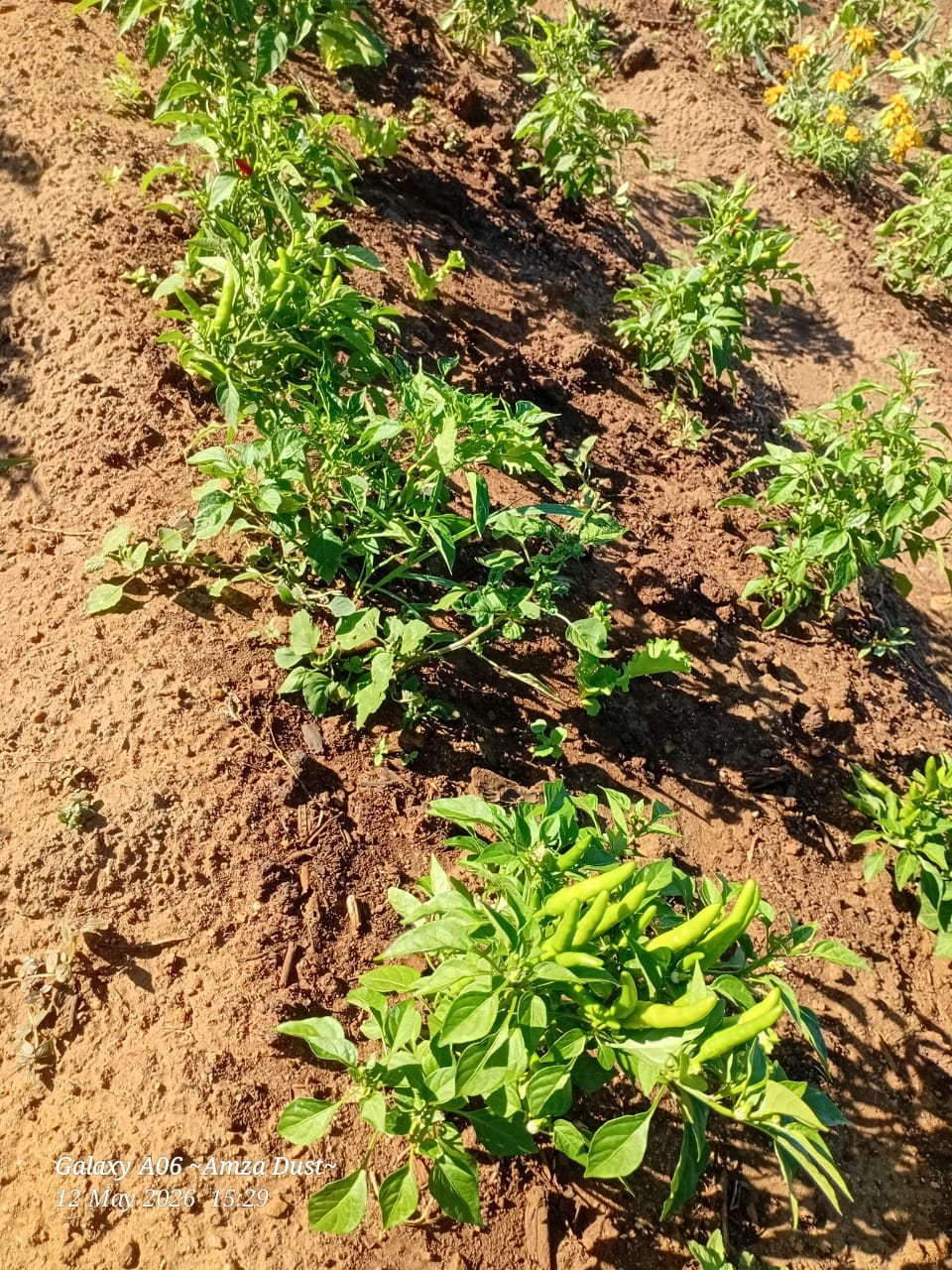
Marigolds beside the peppers, chilies beside the lettuce. The flowers are not decoration. They keep the pests off.

The 2027 class

0 of 20 rows planted

Raised so far: $0 of $100,000
Each funded row is one farmer trained for a season.
Row 1
Row 2
Row 3
Row 4
Row 5
Row 6
Row 7
Row 8
Row 9
Row 10
Row 11
Row 12
Row 13
Row 14
Row 15
Row 16
Row 17
Row 18
Row 19
Row 20
PlantedFilling nowWaiting
THE INTERNS

Three rows, three names, three stories.

Every intern at Umdoni plants a row, stakes it with their name and what they planted, and writes about what they are learning. Here are this season's three, unedited.

Themba Mamba
NGONINI CAREPOINT

Themba Mamba

In the row: Onion (Red Creole), lettuce, carrot and beetroot, planted 19 September.

“As for the short time I have here at Umdoni farm, I learnt so many things including recycling and growing crops using organic fertilizer. I also learnt that you can control pest and diseases using herbs which is a cheaper than controlling them using chemicals whereby you spray the crops which can be harmful to our soils and our bodies in the near future. Lastly I learnt that in everything you are doing you should consider God first who is our Saviour.”

Themba, Umdoni Farm intern
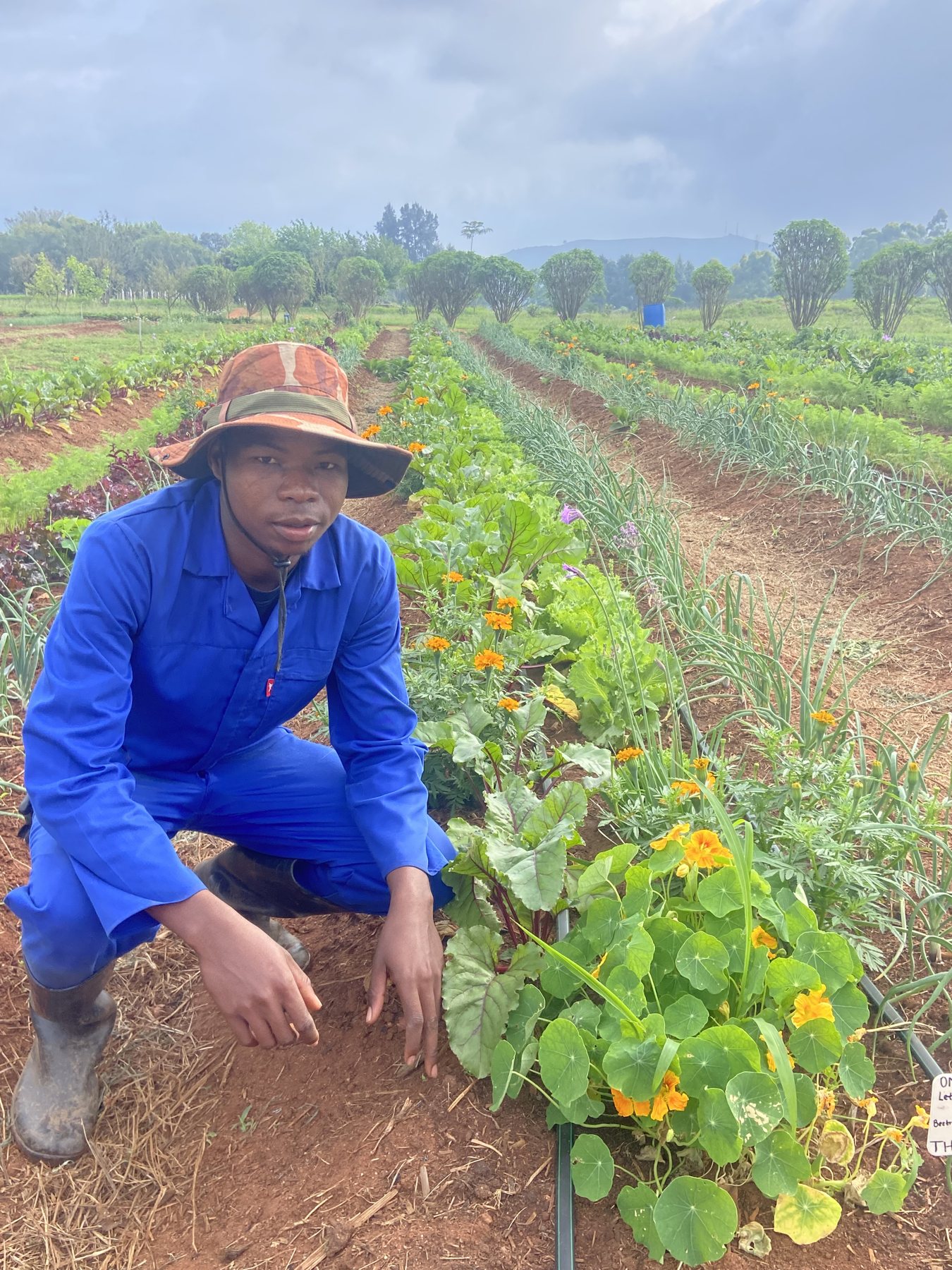
Themba's row, and the stake he wrote himself.
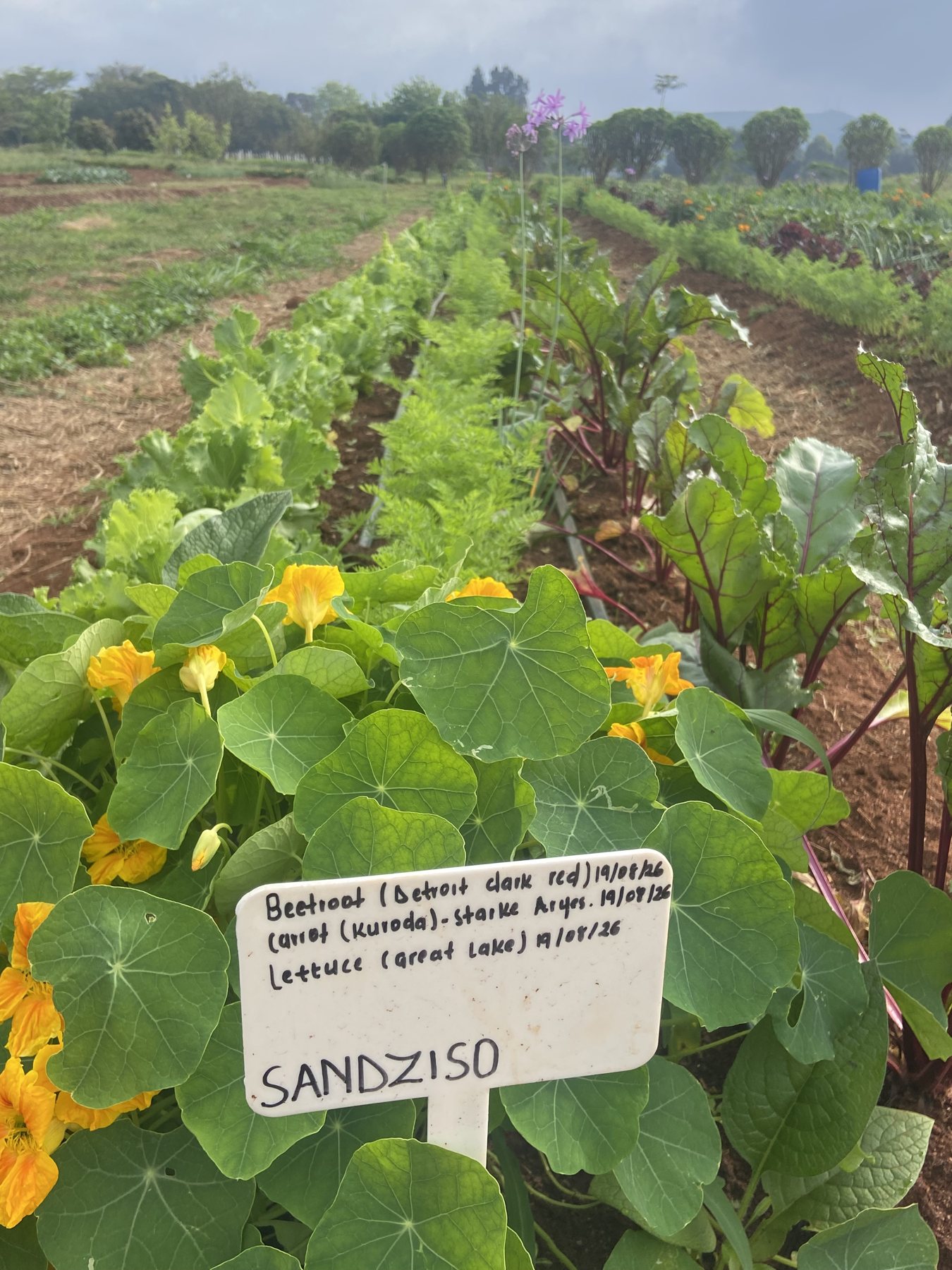
Sandziso Gumbi
MABANTANENI 2 CAREPOINT

Sandziso Gumbi

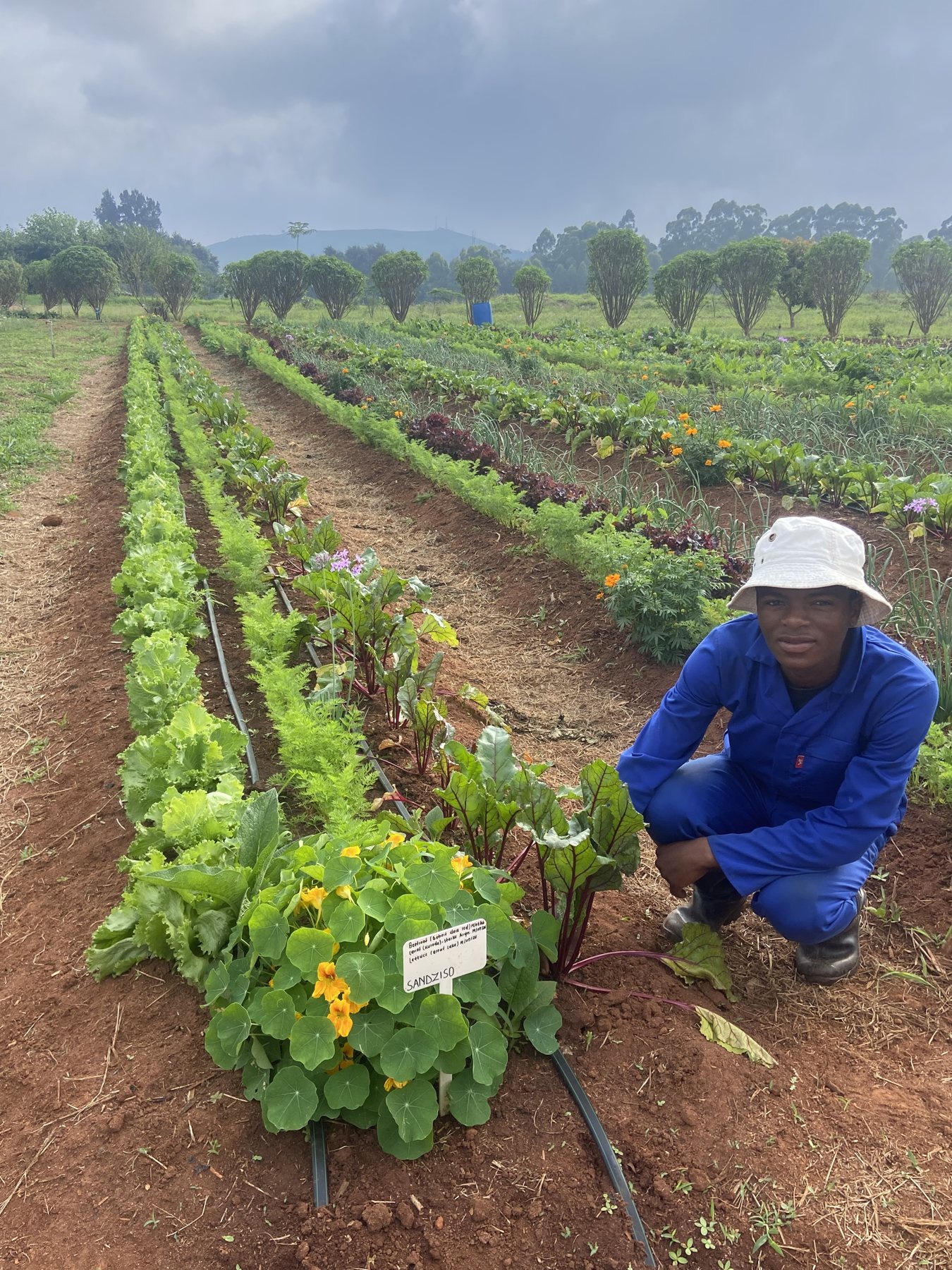
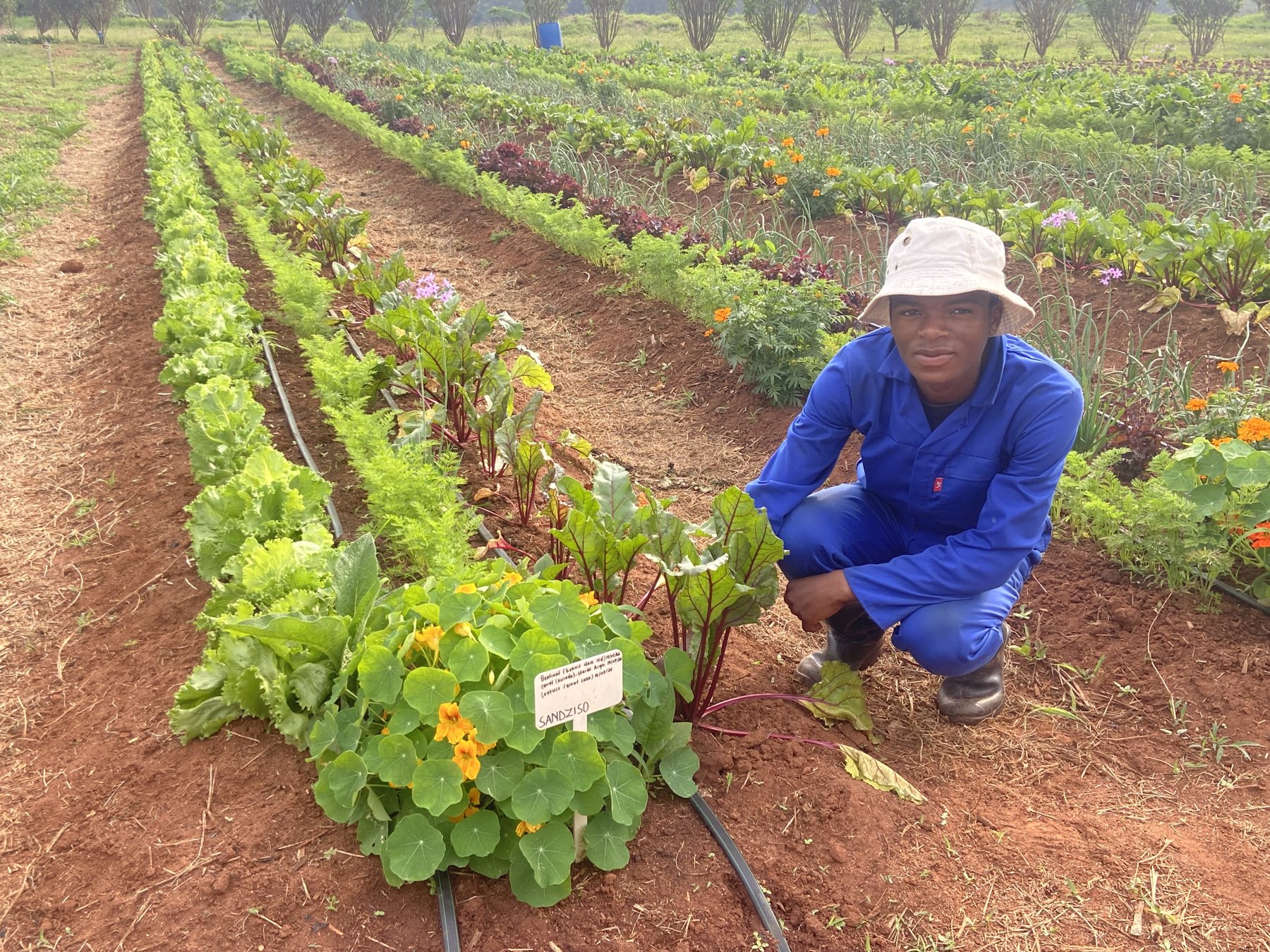
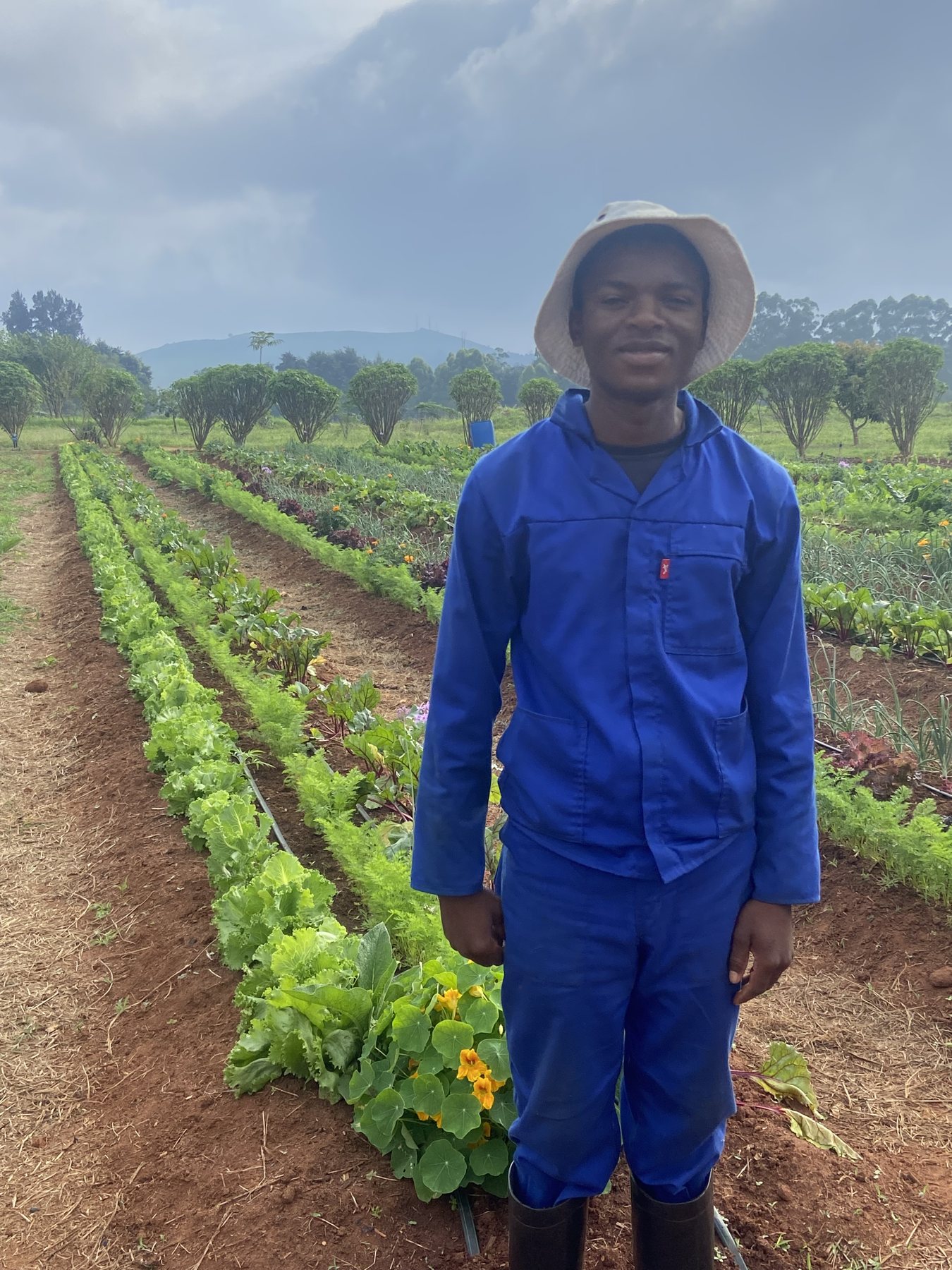
In the row: Beetroot, lettuce and carrot.

“Ever since I am an intern at Umdoni farm I have learnt witnessed and experienced different ways of practising organic farming. Having my peers in my midst makes me to have a positive mindset towards organic farming and to also see that organic farming is possible even in big scale.”

Sandziso, Umdoni Farm intern

Sandziso beside his lettuce, and his stake.

Ivy Gumedze
MAHANGENI CAREPOINT

Ivy Gumedze

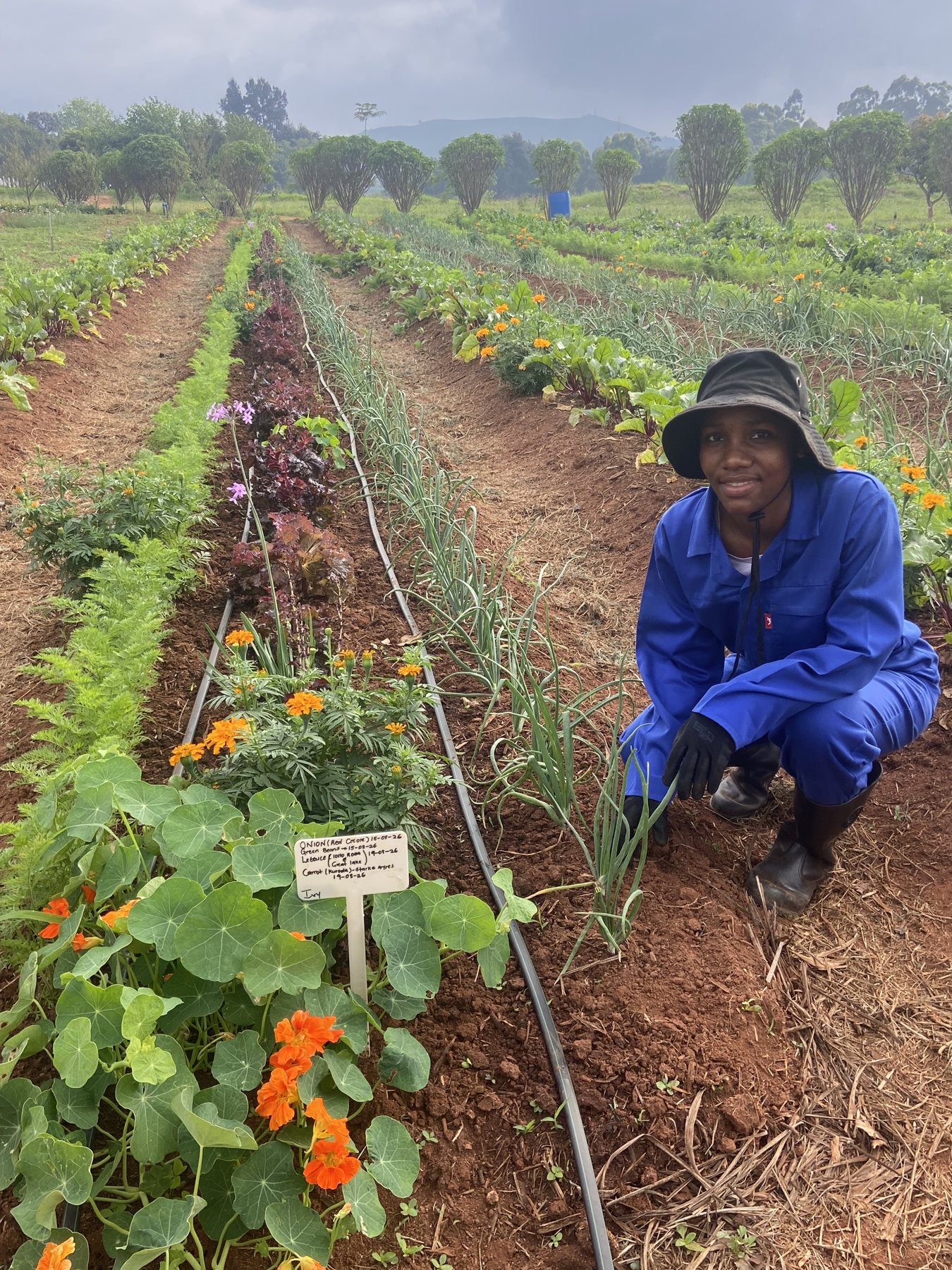
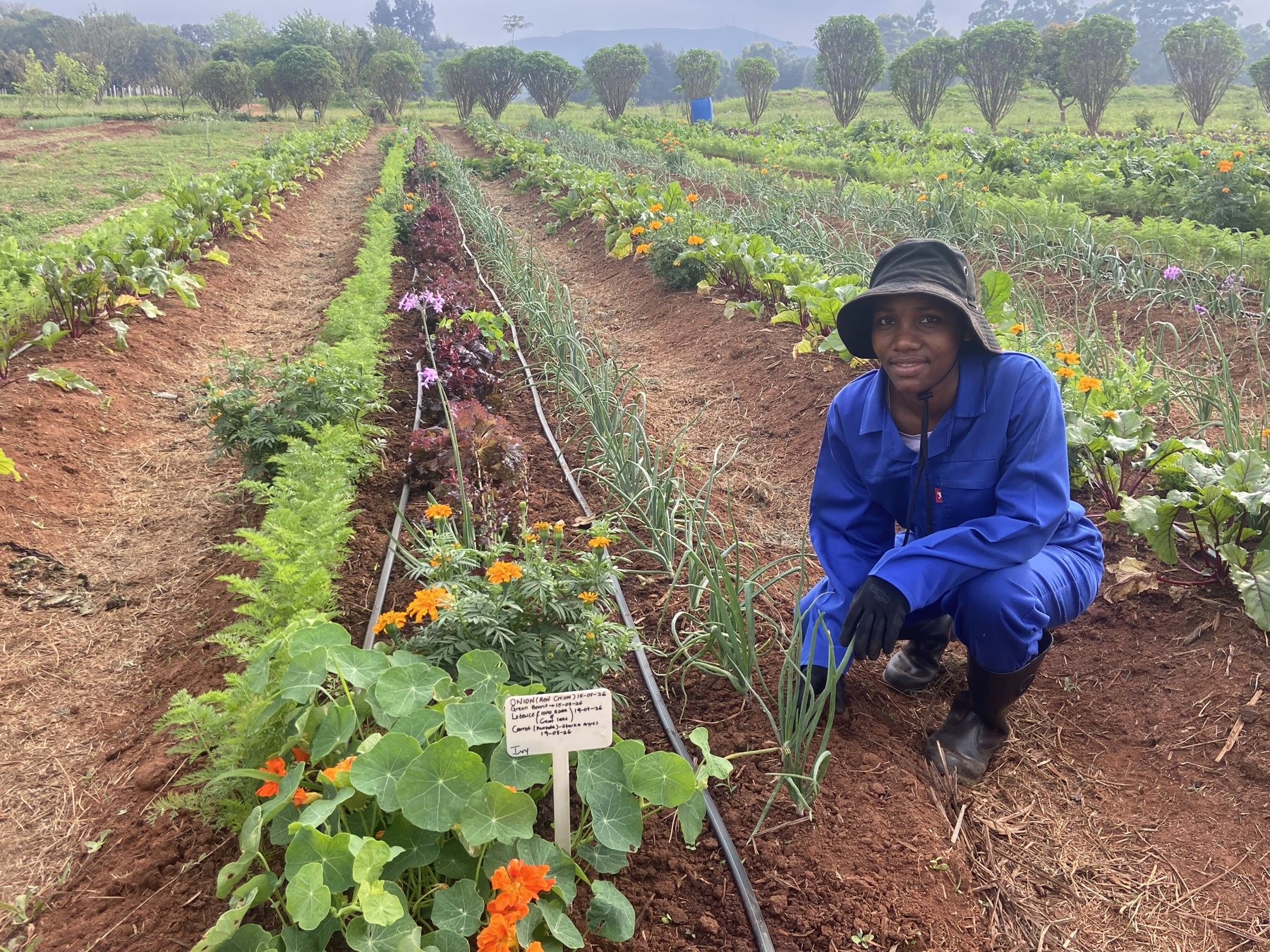
In the row: Onion (Red Creole), green beans, lettuce and carrot (Nantes).

“Since I joined Umdoni Farm, I have learnt a great deal and grown both professionally and personally. I was trained in the proper methods of planting and crop management, including on how different herbs can naturally support and protect crops. I also learnt how to make compost to improve soil fertility using natural materials. Beyond farming skills, this experience has helped me grow spiritually and develop strong work values. I have learned how to work effectively as part of the team, to support and help my colleagues and to show respect and willingness to share. I strongly believe in the principle we practise at Umdoni Farm, which is to use what we already have to create the best results.”

Ivy, Umdoni Farm intern

Ivy in her row. The nasturtiums at her feet are a trap crop that pulls pests away from the vegetables.

The next three rows are waiting for names.SAY YES TO A ROW
Say yes to a farmer

Whatever you can give, a row gets planted.

A season at Umdoni costs $5,000 per intern. Fund a whole row, give monthly, or plant part of one. Every dollar goes to the row that is filling now.


Confirm your gift amount, one-time or monthly giving, and anonymity on Pushpay.

Pick an amount above. There is no wrong one.

Give
Arrive

A young person from a CarePoint moves onto the farm. They get a row, a stake with their name, and a mentor who has done it before.

Learn

Compost and vermiculture. Companion planting. Herbs that keep pests off without spray. Chickens, fruit trees and water harvesting that work together on one plot.

Harvest

The row they planted feeds the farm kitchen and the CarePoint. Surplus is sold, and they learn to keep the books on it.

Go home

They start a homestead garden with what they know, and show neighbors how. That is how twenty rows become six hundred gardens.

The farm is ready. The rows are waiting for names.

Say yes to a row
Challenge your friends

Questions? scottborg@adventures.org · Director of Long Term Missions